
LogisticsPro: Supply Chain Optimization
We built demand forecasting and inventory optimization models that reduced stockouts and improved delivery SLAs. The solution accounts for seasonality, promotions, weather, and lead-time variability, and recommends replenishment plans that minimize carrying costs while protecting service levels.
Challenge
Manual planning resulted in frequent stockouts and overstock with limited forecasting capabilities. Fragmented data and black-box supplier lead times made planning unstable, increasing expedites and write-offs.
Background
Planners relied on static rules and vendor lead times that shifted without notice. Warehouses experienced spikes and lulls, causing expedites and wasted capacity. Reporting was backward‑looking and not actionable.
Solution
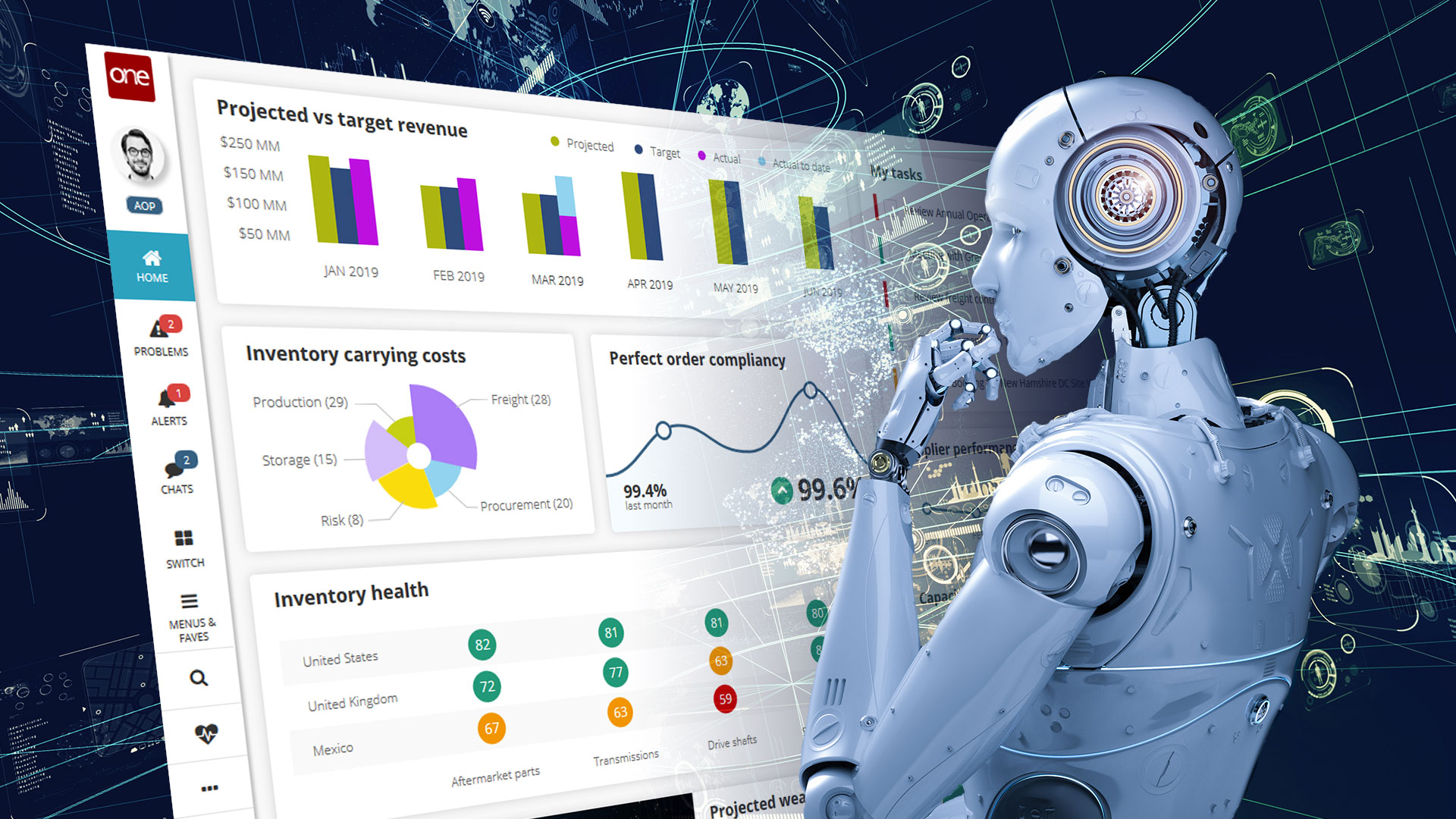
Feature-engineered time series models with external signals and integrated MIP optimization for replenishment decisions. We implemented demand sensing, probabilistic safety stock, and dynamic reorder points, surfaced via a planning UI with what-if scenarios and supplier scorecards.
Implementation
We implemented demand sensing models, probabilistic safety stock, and dynamic reorder points. We integrated plan recommendations into the WMS via an approval UI with what‑if scenarios, supplier scorecards, and exception workflows. Weekly S&OP reviews adopted new KPIs and dashboards.
Impact
- Lower carrying costs
- Fewer stockouts across regions
- Improved SLA adherence
- Reduced expedites and penalties
- Data-driven supplier negotiations
- Smoother warehouse operations
Ready to achieve similar results?
Book a call and we’ll map your path to impact.